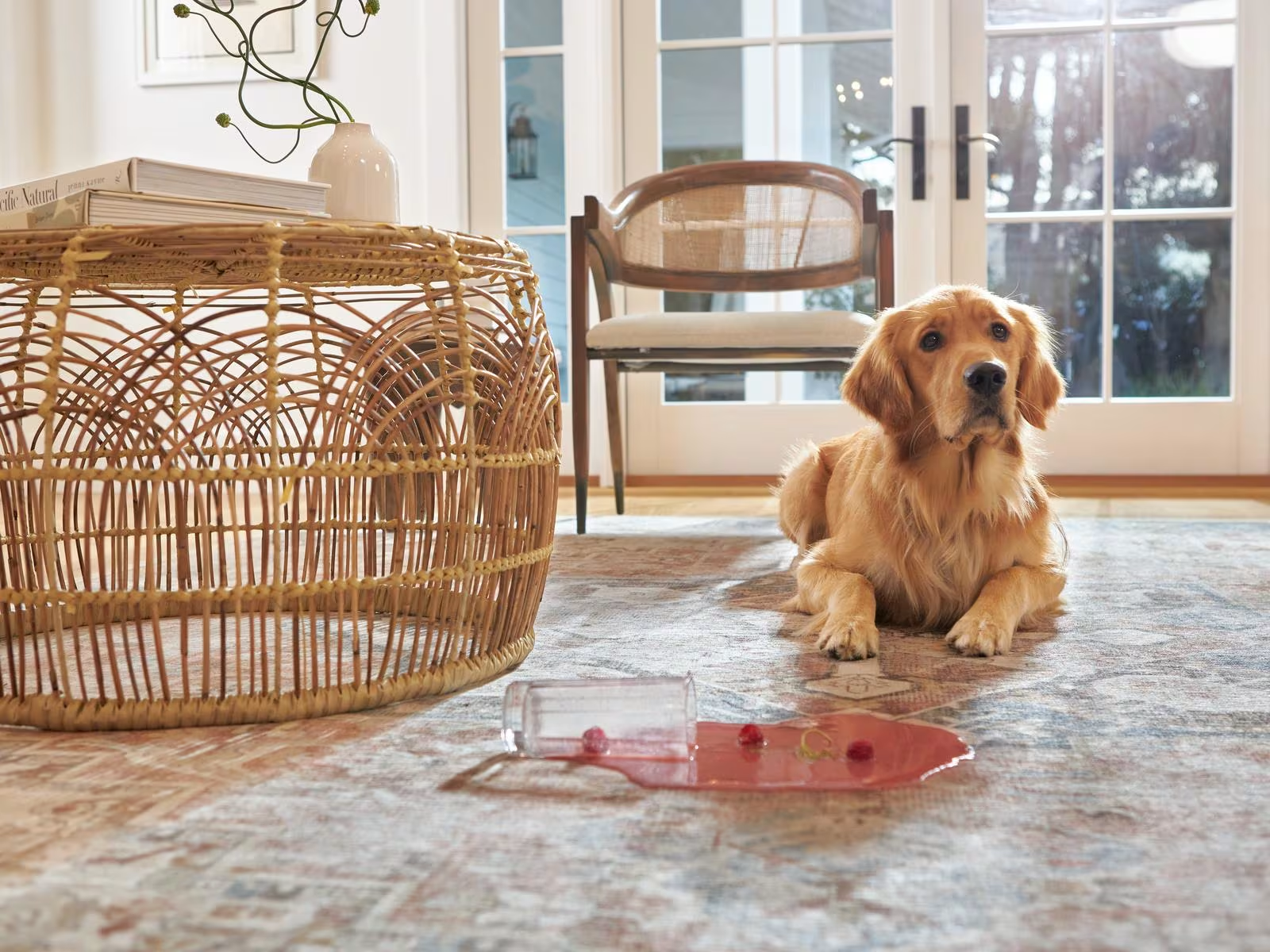
Life moves fast, and spills move faster. Whether it's red wine on your area rug mid-movie night or a pet accident in the living room, knowing how to handle rug stain removal quickly is the difference between a minor inconvenience and a permanent problem. Most stains come out with the right technique, and if you have a washable Ruggable rug, your backup plan is even simpler: toss it in the wash.
This guide covers how to remove stains from every major rug type—machine-washable rugs, synthetic rugs, and wool rugs, so you can use the right method and avoid making the damage worse.
Key Takeaways:
Act fast. Blot the spill immediately with a clean cloth, working from the outside edge of the stain inward.
Never scrub. Rubbing pushes the stain deeper into the fibers and can permanently damage the pile.
Cold water only. Heat sets stains and can damage fibers.
Ruggable All-in-One rugs (Tufted, Plush, and Performance Weave) go straight in the washing machine—no pre-treating needed.
Two-piece rug covers (Flatwoven, Re-Jute, Outdoor, and Doormat/Bath Mat styles) simply detach and wash the same way. The rug pad stays out of the machine.
Air dry completely before putting the rug back on the floor.
Essential Tools for Rug Stain Removal
Keep these on hand for fast stain response:
Clean white cloths or paper towels (colored cloths can transfer dye to your rug)
Mild dish soap (Dawn or similar)
White vinegar
Baking soda
Hydrogen peroxide (use cautiously—test in a hidden spot first)
Spray bottle
Soft brush or sponge
Vacuum
Ruggable Spot Cleaner & Stain Remover (see below)
General Rug Stain Removal Method
For most fresh stains: blot up excess liquid with a clean white cloth, apply a mild dish soap and cold water solution to a cloth (not directly to the rug), work it in gently, then rinse by blotting with plain cold water and blot dry. For stain-specific guidance, see the sections below.
Upgrade Your Cleaning Routine With Ruggable's Spot Cleaner
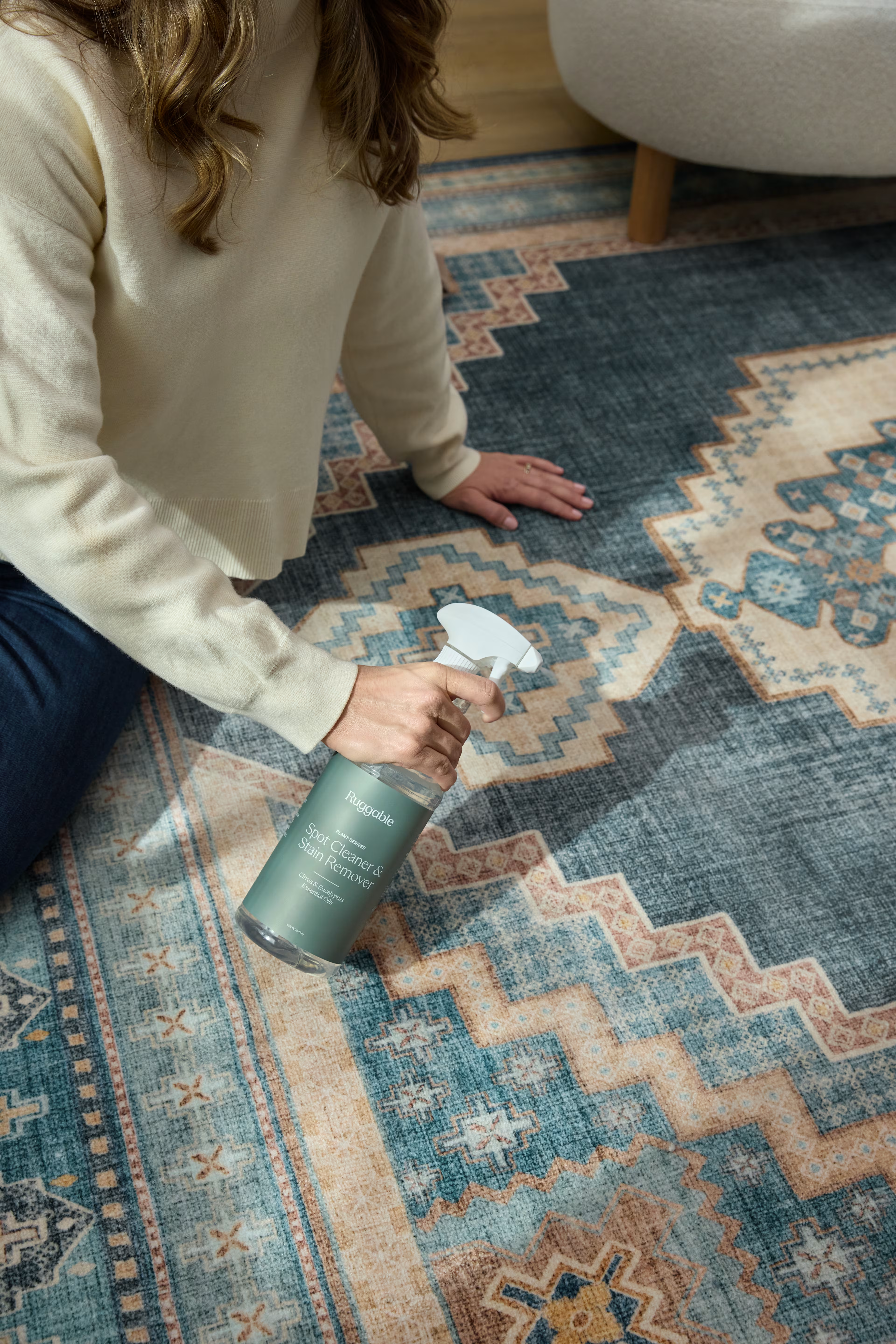
Before you reach for the dish soap, there's a faster option. Ruggable's Spot Cleaner & Stain Remover is a plant-based formula—free of alcohol, acids, ammonia, bleaches, dyes, and phosphates—and safer around kids and pets. One bottle has over 1,000 uses.
Using it is simple: spray directly on the stain, let it sit for a minute or two on tougher messes, then agitate with a clean white cloth or soft brush to lift the stain out of the fibers. Blot it away, no rinsing or washing required. For stubborn stains, repeat before machine washing as usual.
It works especially well on wine, coffee, mud, and pet accidents. Tougher stains like hot sauce or olive oil may need a few passes. Acrylic or oil-based paint is unlikely to come out fully.
How to Remove Specific Types of Stains
How to Remove Coffee and Tea Stains from a Rug
The tannins in coffee and tea set fast—start blotting immediately to absorb as much liquid as possible before applying anything. Mix one tablespoon each of dish soap and white vinegar with two cups of cold water, apply to a cloth, and blot the stain from the outside in. For stubborn spots, let the solution sit for 5–10 minutes before blotting again. Once the stain lifts, rinse with plain cold water and blot dry.
How to Remove Wine Stains from a Rug
Blot red wine immediately—the more liquid you absorb before reaching for a cleaner, the less the stain sets. Apply a dish soap and cold water solution to a cloth and blot the stain inward. Club soda works well on fresh spills: pour a small amount on the stain, let it fizz, then blot. For deeper stains, mix one part dish soap, one part 3% hydrogen peroxide, and two parts cold water, but test in a hidden spot first, as hydrogen peroxide can lighten some dyes. Rinse and blot dry.
How to Remove Grease and Oil Stains from a Rug
Oil and grease don't blot up like liquids—start with baking soda. Scrape away any solids first, then sprinkle a generous layer of baking soda over the stain and let it sit for at least 30 minutes to draw out the oil. Vacuum it up, then follow with a dish soap and cold water treatment on a cloth, blotting until the grease lifts. Dish soap cuts through oil particularly well. Rinse with cold water and blot dry.
How to Remove Pet Stains from a Rug
Pet stains need fast action—proteins in urine and vomit set quickly and bring odor with them. Blot up as much of the mess as possible first, then apply a solution of dish soap and cold water (or equal parts white vinegar and water) to a clean cloth and blot the stained area. Vinegar's acidity neutralizes ammonia, making it especially effective here.
Once the stain is lifted, sprinkle baking soda over the dry area, let it sit for a few hours, then vacuum—it pulls out lingering odor. For repeat accidents in the same spot, use an enzyme-based cleaner: it breaks down the proteins that signal pets to return. For more on this topic, read our guide on how to get dog smell out of rugs.
How to Remove Ink Stains from a Rug
Act quickly before the ink dries. Dampen a clean white cloth with rubbing alcohol (isopropyl) and dab the stain from the outer edge inward, using a fresh section of cloth with each pass to avoid spreading ink. Do not scrub. Always spot test rubbing alcohol in a hidden area first—it can affect some dyes or finishes. Once the stain lifts, rinse by blotting with plain cold water and blot dry.
How to Remove Mud and Dirt Stains from a Rug
Counterintuitively, let mud dry completely before treating it. Trying to clean wet mud spreads it further into the fibers. Once dry, break up the dried debris and vacuum thoroughly. Then treat any remaining discoloration with a mild dish soap and cold water solution on a cloth, blotting from the outside in. Rinse with cold water and blot dry.
How to Remove Blood Stains from a Rug
Use cold water only—never hot. Heat permanently sets blood stains by coagulating the proteins. Blot up as much as possible, then apply cold water to a clean cloth and blot the area. For stubborn staining, apply a small amount of 3% hydrogen peroxide to the stain and let it fizz—but spot test first, as it can lighten fibers. Rinse with cold water and blot dry. Repeat as needed.
How to Remove Candle Wax from a Rug
Let the wax harden completely before touching it—ice speeds this up. Once solid, scrape off as much as possible with a dull knife or credit card. For remaining residue, place a paper bag over the spot and run a warm (not hot) iron over it in short passes—the heat pulls wax up into the paper. Replace the paper as it absorbs. For any color from tinted candles, dab with rubbing alcohol on a clean cloth, then rinse with cold water.
How to Remove Nail Polish from a Rug
If the polish is still wet, blot very gently to lift excess without spreading. If dry, that's fine—dry polish is actually easier to remove. Dampen a clean white cloth with non-acetone nail polish remover and dab from the edges inward, using a fresh cloth section each time. Non-acetone is gentler on most rug fibers; acetone works better on synthetics—test either in a hidden spot first. Once cleared, blot with plain cold water to remove residue, then blot dry. This one often takes a few passes.
What NOT to Do When Cleaning Rug Stains
Don't use bleach unless your rug is explicitly labeled bleach-safe.
Don't oversaturate the rug backing. Excess moisture causes mildew, odor, and damage to the backing material.
Don't skip the rinse step. Soap residue left in fibers attracts dirt and leaves a dull halo around the cleaned area.
How to Remove Stains from a Wool Rug
Wool is a delicate natural fiber that requires extra care. The wrong cleaning method can cause shrinkage, color bleed, or permanent fiber damage.
Always use cold water. Warm or hot water can cause wool to shrink.
Use a wool-safe, pH-neutral cleaner. Avoid vinegar, hydrogen peroxide, or enzyme cleaners—they can break down wool's natural proteins and damage the fibers.
Blot gently. Wool fibers felt easily under friction—be especially gentle when working the solution in.
Never oversaturate. Wool holds water, which makes it slow to dry and vulnerable to mildew. Use minimal moisture and blot thoroughly.
Air dry flat and away from direct sunlight or heat, which can cause yellowing and shrinkage.
For significant stains or antique wool rugs, consider professional cleaning.
How to Remove Stains from a Machine-Washable Rug
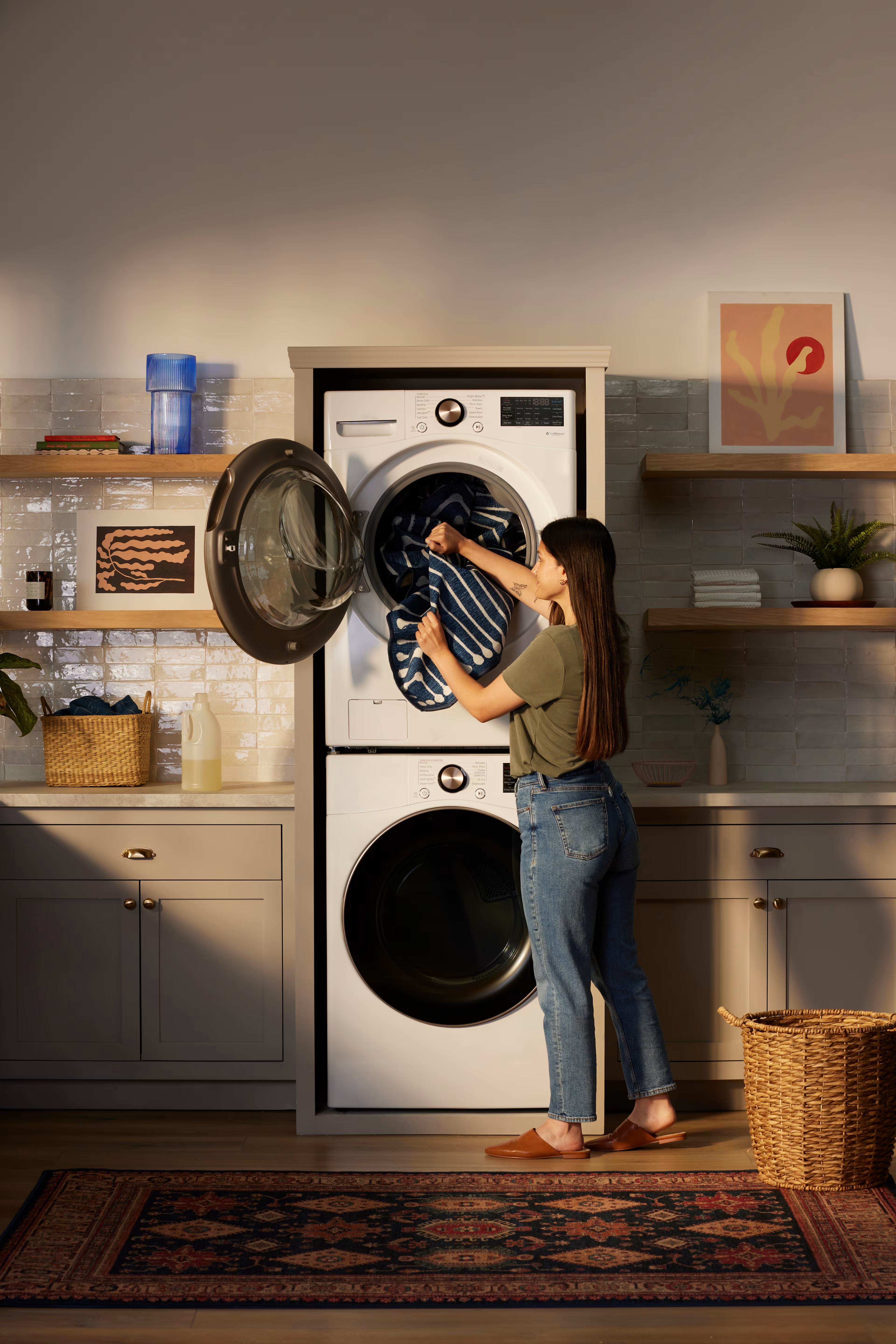
If you have a machine-washable rug, you have a significant advantage: the washing machine does the heavy lifting.
Ruggable All-in-One rugs—including Tufted, Plush, and Performance Weave styles—are a single, fully integrated piece—no layers or covers to remove. Just place the entire rug in your washing machine on cold, then tumble dry on low or air dry.
For Ruggable Two-piece rugs—Flatwoven, Re-Jute, Outdoor, and Doormat/Bath Mat styles—detach the rug cover from the rug pad before washing. Machine wash cold with a mild, non-bleach detergent—design side out. The pad should never go in the machine; spot clean it with a damp cloth if needed and let it dry completely before reattaching. If your rug is too large for your home washer, take it to a laundromat with commercial-sized machines.
How to Prevent Future Rug Stains
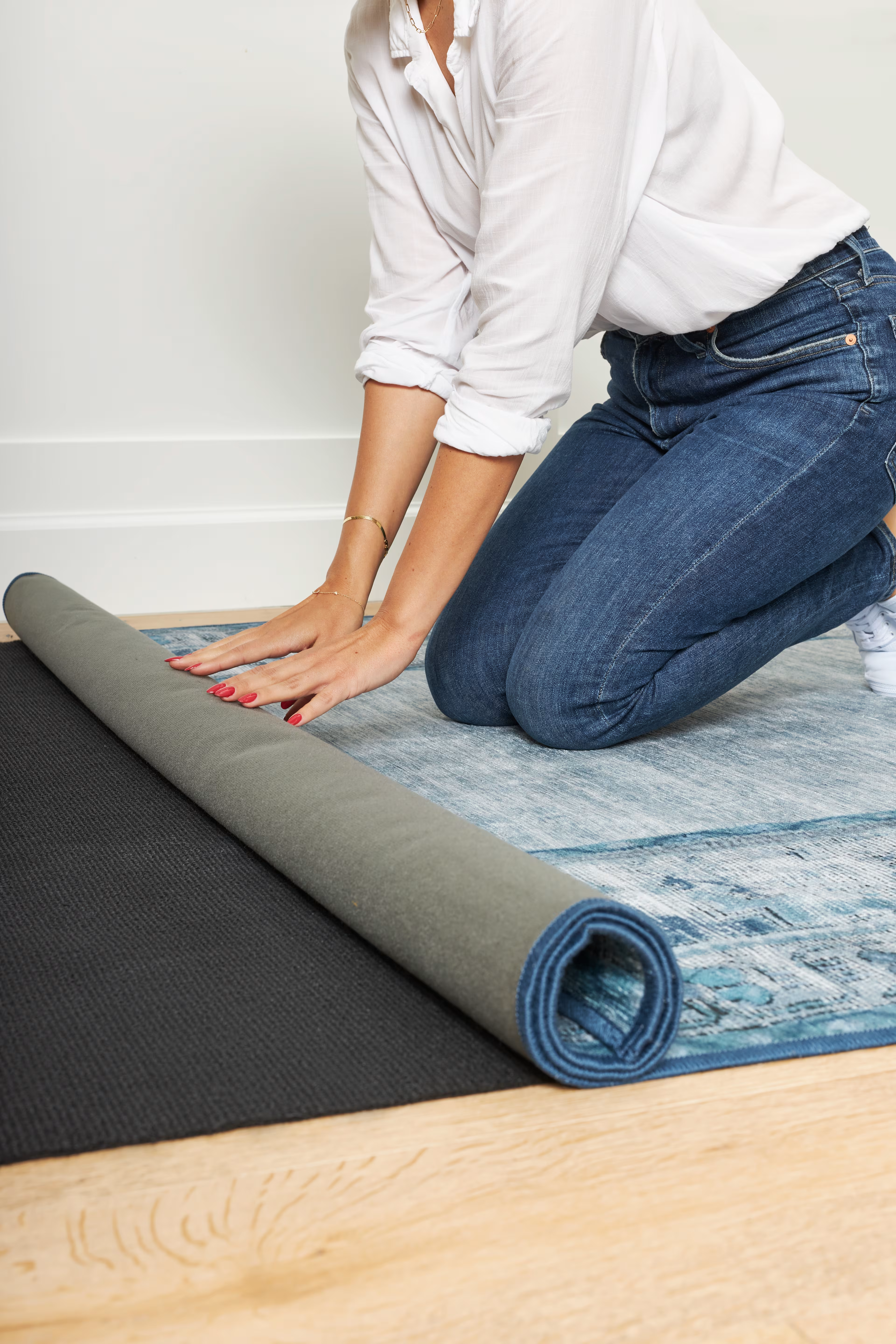
Use rug pads under all rugs. They prevent sliding and reduce dirt tracked into fibers from below.
Place entry mats at all doors to catch debris before it reaches your rugs.
Apply a fabric stain protector to traditional rugs after cleaning (not needed for Ruggable—the washable design is its own protection).
Respond immediately to spills. Keep a bottle of Ruggable's Spot Cleaner accessible in high-traffic areas.
Vacuum regularly—at least once a week in high-traffic zones. This prevents dry debris from grinding into fibers.
Rotate rugs every 6–12 months to distribute wear and sun exposure evenly.
When to Call a Professional Cleaner
DIY methods handle most stains, but some situations call for a professional:
Large or deeply set-in stains that haven't responded to repeated treatment
Delicate, antique, or hand-knotted rugs (Persian, traditional, wool, silk) where DIY methods risk damage
Persistent odor that returns after cleaning—often a sign the stain has soaked into the rug backing or pad
Water damage or mold—professional drying equipment is needed to prevent permanent damage
High-value rugs where the cost of professional cleaning is less than the cost of replacement
Final Thoughts
Most rug stains come out—the key is acting fast and using the right method for your rug type. Blot before you treat, use cold water as your default, and never scrub. For Ruggable All-in-One rugs , just toss the whole rug in the wash and for Two-piece rugs), detach the cover and let the machine handle the rest.
Regular vacuuming, quick spill response, and the right cleaning supplies go a long way toward extending your rug's life. Keep a bottle of stain remover within reach in your highest-traffic rooms—because spills don't wait for a convenient moment.
Browse Ruggable's machine-washable rug collection—built for real life, kids, pets, and everything in between.
The fastest method is to blot immediately with a clean white cloth to absorb as much of the spill as possible, then apply a dish soap and cold water solution or Ruggable's Spot Cleaner directly to the stain. For machine-washable rugs, follow up with a cold machine wash. Speed matters more than the specific cleaner—the faster you act, the less the stain sets.
No. Wool and silk rugs require pH-neutral, gentle cleaners and minimal moisture. Synthetic rugs are more forgiving and handle most general cleaning solutions. Machine-washable rugs like Ruggable can be laundered entirely, which handles stains that spot-treating alone can't fully remove. Always check your rug's care label before treating.
White vinegar is safe for most synthetic and cotton rugs in diluted form. However, avoid using it on wool or silk—its acidity can break down natural fibers over time. Always dilute vinegar with water and rinse the area thoroughly after use to prevent residue buildup.
Old stains are harder to remove but not impossible. Rehydrate the stain with a small amount of cold water, then apply your cleaning solution and let it sit longer than you would for a fresh stain—up to 15–20 minutes. Repeat the process several times. For set-in pet stains, an enzyme-based cleaner is the most effective option. For machine-washable rugs, a full wash cycle after pre-treating often removes residual staining that spot-treating alone won't.
Not always. Many contain bleaching agents or harsh solvents that can damage fibers or alter dye colors—always spot-test in a hidden area first. For Ruggable rugs, the Spot Cleaner described above is the recommended option.
No. Ruggable's nonslip rug pad should never go in the washing machine. Spot-clean it with a damp cloth and mild detergent if needed, and let it air-dry completely before reattaching the rug cover.
More From The Blog


Ruggable
The Ruggable Team delivers home decor inspiration, practical rug care tips, and the latest interior styling trends. Our interior design enthusiasts and textile experts share creative ideas and easy-to-follow advice, helping you create stylish, comfortable, and easy-to-maintain spaces.
Follow Us